
23 Feb 2026
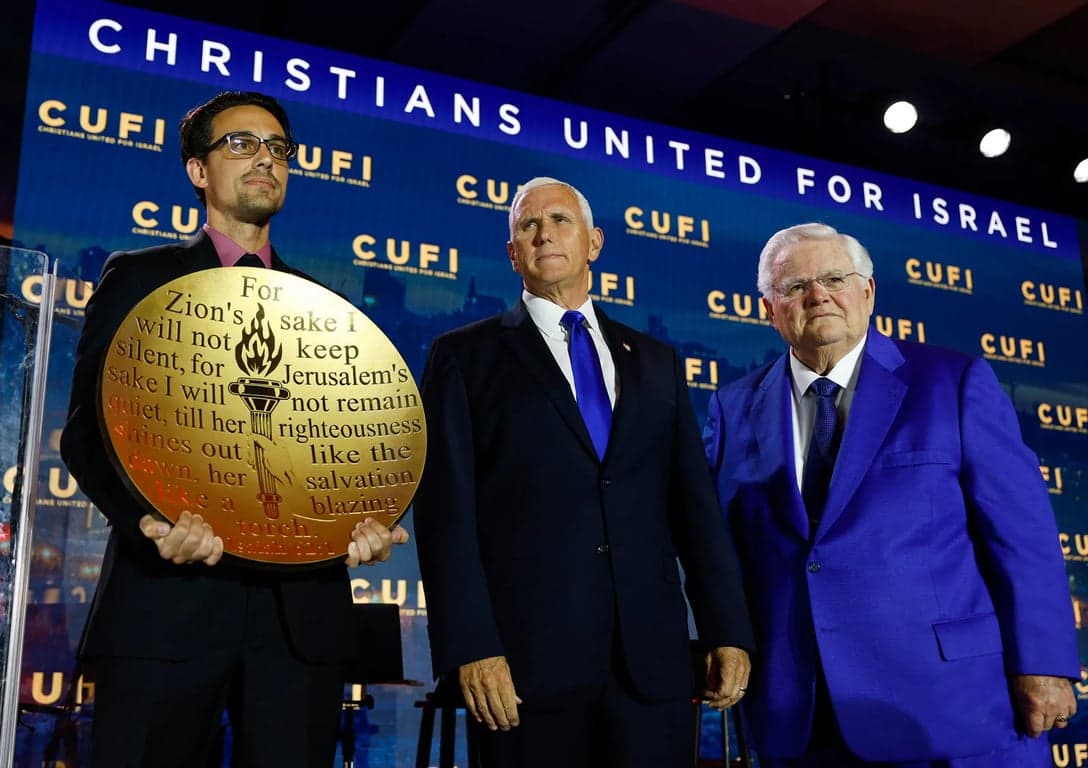
The Christian Zionist Theology Powering the Genocide of the Palestinian PeopleMost Palestinians know who terrorizes our people, who snipes our children in the head and private parts. We know the individuals in the criminal state who carry out this terrorism, the names of pilots dropping bombs on the caged and walled concentration camps, and the politicians and their generals who issue the orders. What we have not yet named with sufficient precision is the deeper enabling force behind this terrorism, the force that sanctifies murder as politically possible, that guarantees the flow of weapons used to commit this murder, and of which ensures no government on Earth can or will intervene to stop it.
Bajis Hasanat Abu Mu'ailiq
Published on 23 Feb 2026